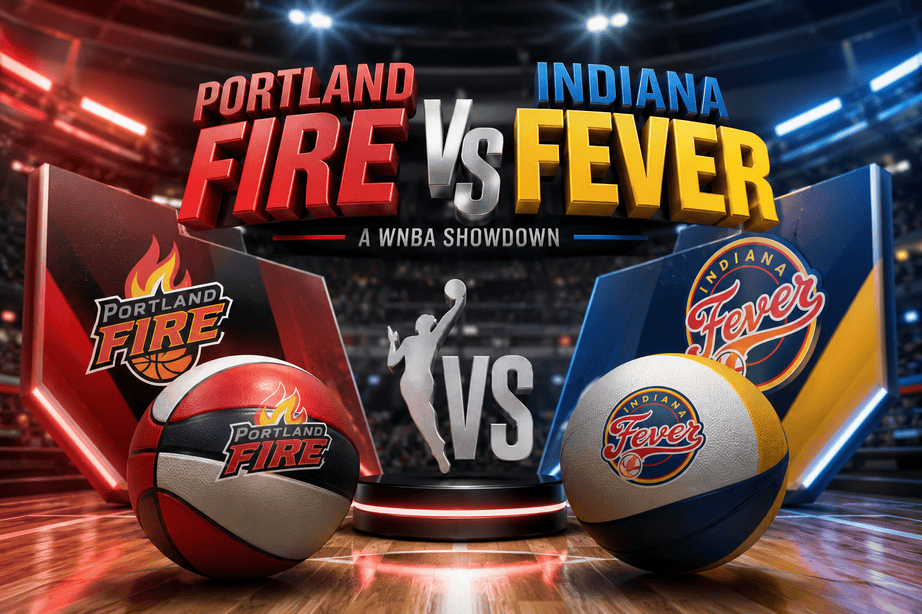

Portland Fire vs Fever: A Deep Dive Into a Forgotten WNBA Matchup
The phrase “portland fire vs fever” may sound like a classic WNBA rivalry to longtime basketball fans, but for newer audiences, it opens the door to one of the league’s most fascinating “what-if” stories. While the Portland Fire no longer exists today, their short-lived battles against the Indiana Fever helped shape an early era of women’s professional basketball.
What makes this comparison especially interesting is contrast. One franchise disappeared after only three seasons. The other survived difficult years, built a loyal fanbase, and eventually became a championship-winning organization.
This article explores the history, team identities, player legacies, game styles, and long-term impact behind the Portland Fire vs Fever conversation. Whether you’re a longtime WNBA follower or discovering league history for the first time, there’s more depth here than the box scores reveal.
The Origins of Portland Fire and Indiana Fever
The WNBA expanded rapidly during the late 1990s and early 2000s. Both Portland and Indiana were part of the league’s efforts to establish women’s basketball across major basketball markets.
Portland Fire: A Franchise With Potential
The Portland Fire joined the WNBA in 2000. Owned by the same group behind the Portland Trail Blazers, the franchise played its home games at the Rose Garden Arena.
Portland had strong basketball culture, passionate fans, and high expectations. The city already loved basketball, making it appear like a perfect WNBA destination.
However, the Fire struggled with:
- Inconsistent attendance
- Financial instability
- Limited roster continuity
- Competitive inconsistency
After the 2002 season, the franchise folded, making it one of the shortest-lived teams in league history.
You can learn more about WNBA franchise history through the official WNBA website.
Indiana Fever: Building Through Patience
The Indiana Fever entered the league in 2000 as well. Unlike Portland, Indiana focused on long-term development.
The Fever spent years building a recognizable identity centered around:
- Tough defense
- Team-oriented basketball
- Strong front-office continuity
- Fan loyalty
Eventually, patience paid off. Indiana became one of the WNBA’s most respected franchises and won the 2012 WNBA Championship led by Tamika Catchings.
Today, the Fever remain one of the league’s most talked-about teams thanks to stars like Caitlin Clark.
Portland Fire vs Fever: Head-to-Head Snapshot
Although the rivalry never reached legendary status due to Portland’s short existence, the matchups still reflected two different organizational philosophies.
| Category | Portland Fire | Indiana Fever |
|---|---|---|
| Founded | 2000 | 2000 |
| Location | Portland, Oregon | Indianapolis, Indiana |
| Active Years | 2000–2002 | 2000–Present |
| Playing Style | Fast-paced offense | Defensive structure |
| Best Known Player | Jackie Stiles | Tamika Catchings |
| Championships | 0 | 1 (2012) |
| Current Status | Defunct | Active |
This comparison highlights how organizational stability can influence long-term success in professional sports.
Why the Portland Fire Folded So Quickly ?
One of the biggest questions surrounding the “portland fire vs fever” discussion is simple:
Why did one team survive while the other disappeared?
The answer involves multiple factors.
1. Financial Challenges
The early WNBA years were financially difficult for many teams. Portland struggled to maintain consistent revenue streams despite a basketball-friendly city.
2. Ownership Issues
The Fire lacked a clear long-term ownership commitment. When ownership priorities shifted, the franchise became vulnerable.
3. Market Competition
Portland already had strong attachment to the NBA’s Trail Blazers. The WNBA team sometimes felt secondary in media coverage and marketing.
4. Lack of Sustained Winning
Fans support rebuilding teams when there’s visible progress. Unfortunately, Portland never developed consistent momentum.
Meanwhile, Indiana stayed patient and committed to growth.
The Players Who Defined the Matchup
Even though the rivalry was brief, several standout players left lasting impressions.
Jackie Stiles and Portland’s Offensive Energy
Jackie Stiles became one of the Fire’s most exciting stars. Known for her scoring ability and relentless competitiveness, she brought energy every night.
Unfortunately, injuries shortened what could have been a remarkable WNBA career.
Still, many longtime fans remember her as the face of Portland basketball during the Fire era.
Tamika Catchings Changed Everything
For Indiana, the arrival of Tamika Catchings transformed the franchise.
Catchings wasn’t just talented — she became the culture of the Fever.
Her leadership helped Indiana evolve from an expansion team into a championship organization.
According to the Naismith Memorial Basketball Hall of Fame, Catchings remains one of the greatest all-around players in basketball history.
Playing Style Comparison
One reason Portland Fire vs Fever games felt interesting was stylistic contrast.
Portland Fire’s Identity
The Fire often relied on:
- Quick offensive possessions
- Transition scoring
- Guard-focused attacks
- Aggressive perimeter shooting
They played with emotion and pace, which made games entertaining even during losses.
Indiana Fever’s Formula
The Fever emphasized:
- Half-court execution
- Defensive discipline
- Smart rotations
- Rebounding control
Indiana’s system wasn’t always flashy, but it produced long-term consistency.
This contrast mirrors a broader basketball truth: exciting teams attract attention, but disciplined systems often build dynasties.
The WNBA Has Changed Dramatically Since Then
Looking back at Portland Fire vs Fever games today feels almost surreal because the WNBA has evolved so much.
In the early 2000s:
- National coverage was limited
- Player marketing was smaller
- Social media didn’t exist
- Sponsorships were weaker
Today, the league is experiencing historic growth.
The rise of stars like Caitlin Clark, A’ja Wilson, and Breanna Stewart has helped the WNBA reach entirely new audiences.
According to the ESPN WNBA section, television ratings and fan engagement have surged in recent seasons.
That makes Portland’s disappearance feel even more unfortunate. If the Fire existed today, they might thrive in the modern basketball landscape.
Could Portland Get Another WNBA Team?
This question appears constantly among basketball fans.
And honestly, Portland seems like an ideal expansion city today.
Why Portland Makes Sense ?
Portland offers:
- Strong basketball culture
- Loyal sports fans
- Progressive support for women’s sports
- Existing arena infrastructure
Many analysts believe the city deserves another chance.
The growing popularity of women’s basketball could create a completely different outcome compared to the early 2000s.
The WNBA’s recent expansion discussions have included several potential cities, and Portland often appears in fan conversations.
Lessons From Portland Fire vs Fever
The “portland fire vs fever” story teaches several important lessons about professional sports.
Stability Matters
Indiana survived because leadership stayed patient during difficult years.
Timing Can Change Everything
The Fire may have entered the league too early. Women’s basketball visibility and media support simply weren’t as strong yet.
Fan Culture Takes Time
Building loyal communities around sports teams requires years of trust, storytelling, and consistent branding.
Women’s Basketball Has Massive Potential
The growth of the modern WNBA proves that audiences were always there — the league simply needed better exposure and investment.
What Fans Still Remember ?
Ask longtime WNBA fans about Portland Fire vs Fever games, and you’ll hear something interesting:
People remember emotion more than statistics.
They remember:
- Loud arenas
- Young franchises fighting for relevance
- Emerging stars
- The uncertainty of the league’s future
There’s nostalgia attached to that era because it represented the WNBA learning how to survive.
And in many ways, teams like Portland helped pave the way for today’s success stories.
Key Takeaways
Portland Fire
- Exciting but short-lived franchise
- Offensive-minded identity
- Strong basketball city
- Folded after 2002
Indiana Fever
- Patient organizational growth
- Defensive culture
- Championship-winning future
- Still one of the WNBA’s most important teams
Final Thoughts on Portland Fire vs Fever
The story of portland fire vs fever is bigger than wins and losses.
It’s about survival, timing, investment, and the evolution of women’s basketball.
The Fire became a forgotten chapter for casual fans, but their existence mattered. Every early WNBA franchise contributed to the league’s foundation, even the ones that disappeared too soon.
Meanwhile, the Fever proved that patience and culture-building can eventually create greatness.
Today’s WNBA is stronger, louder, and more visible than ever. Looking back at these early matchups reminds us how far the league has come — and how much potential still remains.
FAQs
Did the Portland Fire ever win a championship?
No, the Portland Fire never won a WNBA championship before folding in 2002.
Why did the Portland Fire disband?
The team folded mainly because of financial struggles, ownership issues, and limited long-term sustainability.
Are the Indiana Fever still active?
Yes, the Indiana Fever remain active and are currently one of the WNBA’s most popular teams.
Who was the Portland Fire’s best player?
Jackie Stiles is often remembered as the franchise’s most recognizable player.
Did Portland Fire and Indiana Fever have a rivalry?
Not a major historical rivalry, but their matchups represented contrasting approaches to building a WNBA franchise.