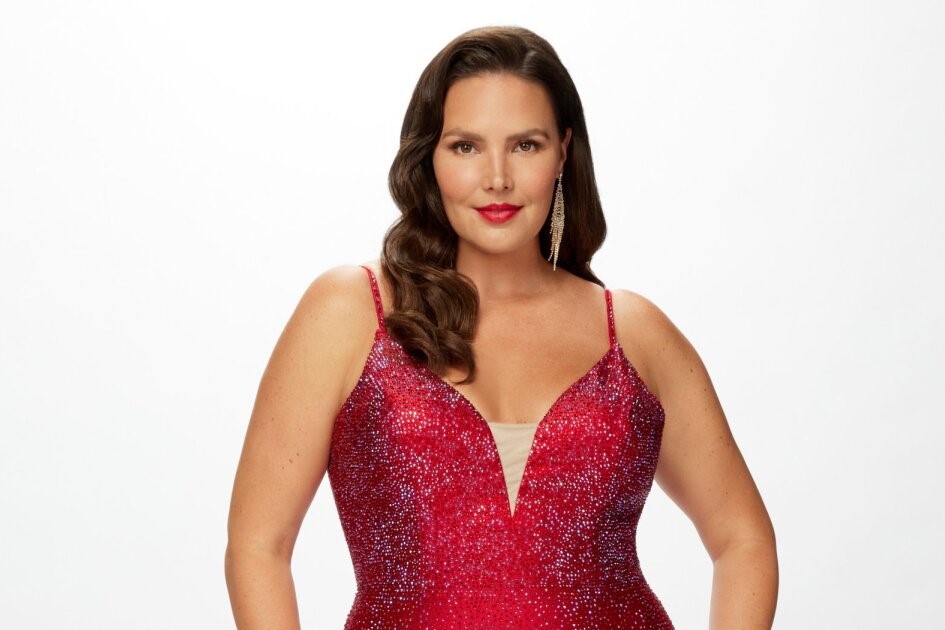

Introduction: Why the Candice Huffine Biography Is a Turning Point in Fashion ?
The fashion industry has long been built on exclusivity—specific body measurements, narrow beauty ideals, and limited representation. The Candice Huffine biography tells a radically different story: one of resilience, disruption, and redefining what high fashion can look like.
Candice Huffine is not simply a successful plus-size model; she is a cultural force who challenged decades of industry norms. From becoming the first plus-size model featured in the Pirelli Calendar to launching her own inclusive activewear brand, her career marks a pivotal shift in modern fashion history.
This article explores her early life, professional journey, industry impact, and lasting influence on body positivity and representation.
Who Is Candice Huffine?
Candice Huffine is an American plus-size fashion model, entrepreneur, and body-positivity advocate. Born on October 15, 1984, in Georgetown, Washington, D.C., she rose to prominence at a time when high fashion offered little space for diverse body types.
She is best known for:
- Being the first plus-size model in the Pirelli Calendar (2015)
- Walking runways for luxury designers
- Appearing in major publications such as Vogue, Elle, and Harper’s Bazaar
- Founding the inclusive activewear brand Day/Won
Her career is frequently referenced by fashion authorities like Vogue and The Business of Fashion when discussing diversity milestones in modeling.
Early Life and Background
Growing Up Outside the Fashion Mold
Candice Huffine grew up with an interest in performance and confidence-driven expression rather than traditional fashion modeling. Unlike many runway models discovered in adolescence, her path was unconventional.
She entered modeling in her early twenties—an age and body type often considered “too late” and “nonstandard” by the industry at the time.
Facing Rejection Early On
Rather than being immediately embraced, Candice encountered repeated rejection from agencies unwilling to challenge existing beauty norms. This period shaped her philosophy: success would not come from fitting in, but from standing firm.
Breaking Into the Fashion Industry
Editorial Success Before Runway Acceptance
Candice’s first major breakthroughs came through editorial work rather than catwalks. Her striking presence, confidence, and professionalism attracted photographers and editors seeking authenticity.
She began appearing in:
- Vogue Italia
- i-D Magazine
- W Magazine
These publications helped legitimize plus-size representation in high-fashion editorials.
The Pirelli Calendar Milestone
Why 2015 Changed Everything ?
In 2015, Candice Huffine made history as the first plus-size model to appear in the Pirelli Calendar, a publication long associated with ultra-exclusive beauty standards.
Photographed by Steven Meisel, the calendar focused on emotional depth and character rather than body measurements—a moment widely covered by outlets like CNN Style and Vogue.
Industry Impact
This achievement signaled a shift:
- Luxury brands could embrace inclusivity without sacrificing prestige
- Plus-size models gained visibility beyond commercial fashion
- Representation entered elite creative spaces
Runway Career: Redefining High Fashion
Designers Who Challenged Norms
Candice Huffine walked runways for designers known for inclusivity, including:
- Christian Siriano
- Prabal Gurung
These shows demonstrated that plus-size models could command the runway with the same authority and elegance as traditional models.
Candice Huffine vs Traditional Fashion Models
| Category | Traditional High-Fashion Model | Candice Huffine |
|---|---|---|
| Body Standards | Extremely restrictive | Inclusive & realistic |
| Industry Entry | Teen discovery | Adult, self-driven |
| Representation | Limited diversity | Body-positive leadership |
| Brand Value | Exclusivity | Authentic influence |
| Cultural Impact | Aesthetic-focused | Social & cultural change |
This comparison highlights why Candice’s success is structural—not symbolic.
Entrepreneurship: The Launch of Day/Won
Why Candice Created Her Own Brand ?
In 2015, Candice launched Day/Won, an activewear brand designed for all body sizes, particularly underserved plus-size consumers.
Her goal was simple but radical:
“Women deserve performance wear that respects their bodies.”
What Made Day/Won Different ?
- Extended size ranges
- High-quality technical fabrics
- Fit-tested on real bodies
- Marketing centered on strength, not weight loss
Industry analysts and fashion publications often cite Day/Won as a model for authentic founder-led branding.
Body Positivity and Advocacy
More Than a Modeling Career
Candice Huffine is widely recognized as a body-positivity advocate, not just a fashion figure. She speaks openly about:
- Mental health
- Self-worth
- Athleticism at any size
She also completed marathons, publicly challenging stereotypes around fitness and plus-size bodies.
Key Insights from the Candice Huffine Biography
1. Representation Must Be Structural
Candice didn’t just appear in campaigns—she changed how brands operate, cast, and communicate.
2. Confidence Is a Professional Skill
Her success underscores how confidence, discipline, and presence can outperform traditional beauty metrics.
3. Inclusion Drives Long-Term Brand Value
Designers and brands that collaborated with Candice benefited from cultural relevance and audience trust.
Influence on the Fashion Industry Today
Candice Huffine paved the way for a new generation of models who no longer see size as a limitation. Her legacy is evident in:
- Expanded runway casting
- Inclusive sizing becoming industry standard
- Editorial storytelling focused on identity
Fashion business platforms like McKinsey’s fashion reports now regularly cite inclusivity as a growth driver—an idea once considered radical.
Visual Content Suggestions
To enhance engagement, include:
📸 Editorial images from fashion shoots
📊 Timeline infographic of career milestones
📋 Comparison tables on fashion inclusivity progress
Conclusion: Why the Candice Huffine Biography Matters
The Candice Huffine biography is not merely a story of individual success—it is a case study in cultural transformation. She proved that high fashion could evolve without losing its artistic integrity.
By standing confidently in spaces that once excluded her, Candice reshaped the industry for those who followed.
Her legacy is not just visible—it is permanent.